


-

Add: HeBei ShengShi HongBang Cellulose Technology CO.,LTD.
-

Email
13180486930@163.com -

CONTACT US
+86 13180486930

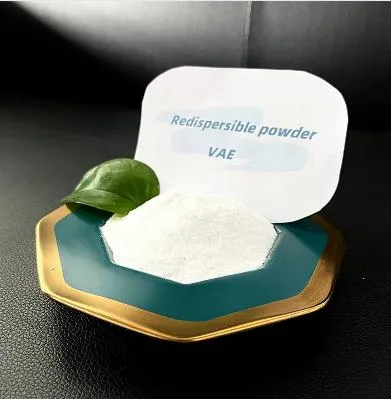



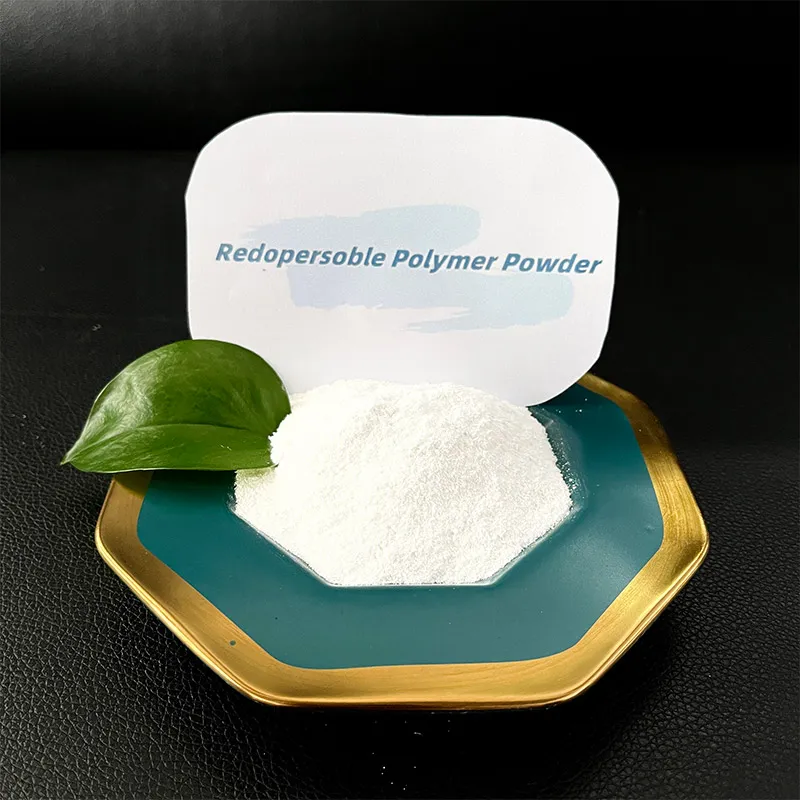
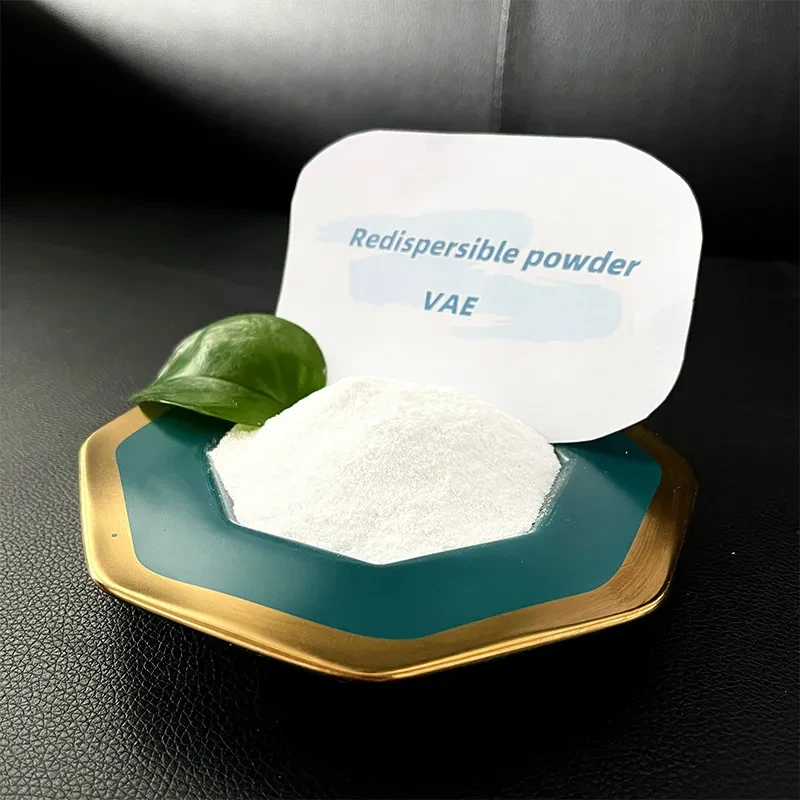
In modern construction and industrial applications, materials like redispersible polymer powder , vinyl acetate ethylene copolymer powder , and redispersible latex powder have transformed traditional practices. These advanced powders enhance performance, durability, and flexibility, enabling industries to meet contemporary demands. Meanwhile, innovations such as LDPE powder add to the versatility of polymer technology. Redispersible Polymer Powder: Enhancing Construction Efficiency Redispersible polymer powder is a key ingredient in cementitious and gypsum-based products, offering superior binding and flexibility. It works by redistributing when mixed with water, forming a film that strengthens mortar, adhesives, and plasters. The powder’s ability to improve adhesion, flexibility, and water resistance has made it indispensable in modern construction projects. Contractors rely on redispersible polymer powder to enhance tile adhesives, self-leveling compounds, and external insulation systems. Its easy integration into dry mix formulations simplifies production and application, making it a go-to solution for efficient and durable results. Vinyl Acetate Ethylene Copolymer Powder: The Backbone of Flexibility Among advanced construction materials, vinyl acetate ethylene copolymer powder stands out for its unique properties. This versatile copolymer enhances the performance of construction products by providing improved elasticity, adhesion, and crack resistance. Its ability to act as a stabilizing agent makes it ideal for applications like waterproofing membranes, grouts, and render systems. The synergy between vinyl acetate ethylene copolymer powder and other components, such as cement, creates durable and flexible formulations. By selecting high-quality redispersible polymer powder , which often includes this copolymer, manufacturers can meet the growing demands of the construction industry for more sustainable and reliable products. Redispersible Latex Powder: Versatility Across Applications For manufacturers seeking a material that offers multi-functional benefits, redispersible latex powder is an excellent choice. This innovative powder improves water retention, adhesion, and flexibility in a wide range of products, including tile adhesives, mortars, and sealants. Its redispersible nature makes it easy to transport and mix, streamlining the manufacturing process. In addition to its construction applications, redispersible latex powder plays a role in other industries, such as textiles and coatings. Its compatibility with various additives allows for customization, enabling businesses to create tailored solutions that meet specific needs. With its reliability and ease of use, redispersible latex powder remains a trusted material across sectors. LDPE Powder: Expanding Polymer Applications Complementing the benefits of redispersible polymer powder is LDPE powder , a material known for its flexibility and chemical resistance. Low-density polyethylene (LDPE) in powdered form offers a range of applications, from industrial coatings to plastic manufacturing. Its ability to enhance surface smoothness and impact resistance makes it a valuable addition to diverse industries. In construction, LDPE powder is often used to improve the performance of paints, adhesives, and waterproofing products. Its lightweight and non-toxic nature further contribute to its popularity. When combined with vinyl acetate ethylene copolymer powder or redispersible latex powder , it creates synergistic effects that maximize the durability and efficiency of the final product. Why Choose Redispersible Polymer Powder for Your Needs? Investing in high-quality redispersible polymer powder ensures improved performance and efficiency across various applications. Its ability to strengthen and enhance flexibility makes it an essential material in construction, while its compatibility with innovations like vinyl acetate ethylene copolymer powder and redispersible latex powder expands its versatility. For industries looking to optimize processes and products, materials such as LDPE powder provide additional opportunities for innovation. By leveraging the strengths of these advanced polymers, businesses can create solutions that are both cost-effective and environmentally friendly. Embrace the future of construction and manufacturing with redispersible polymer powder , vinyl acetate ethylene copolymer powder , and LDPE powder . These cutting-edge materials are paving the way for stronger, more sustainable, and more versatile products.
- 40000tons

Production
- 20+years

Experience
- 5000+㎡

Acreage

-
Glass filled polypropylene, commonly known as glass filled PP, is a marvel of modern engineering that brings a plethora of benefits across various industries. As a seasoned industry expert, I have seen firsthand how the incorporation of glass fibers into polypropylene matrices has transformed the durability and functionality of a range of products, making it a material of choice for numerous applications. In the realm of automotive manufacturing, glass filled PP has emerged as a driving force behind enhanced vehicle performance and durability. Its superior strength-to-weight ratio makes it an ideal substitute for heavier metals, contributing to significant weight reductions in vehicles. This not only improves fuel efficiency but also reduces carbon emissions, aligning with global sustainability goals. I have observed that automotive engineers often prefer glass filled PP for parts like front-end modules and under-the-hood components due to its exceptional thermal resistance and sound dampening properties. The packaging industry is another sector where glass filled polypropylene has made significant inroads. Its robust mechanical properties ensure that containers and packaging materials maintain their integrity even under extreme conditions. With the heightened focus on sustainable packaging solutions, glass filled PP offers an eco-friendly alternative that does not compromise on performance. My experience with leading packaging manufacturers has shown that switching to glass filled PP can lead to reduced material wastage and enhanced recyclability of products. In the electrical and electronics fields, glass filled PP has set new standards for efficiency and safety. Its excellent insulating properties and resistance to electrical conductivity make it ideal for housing electrical components. Additionally, its flame retardant capabilities provide an added layer of safety, crucial in the manufacturing of household appliances and consumer electronics. Industry specialists frequently refer to glass filled polypropylene as a game-changer for enhancing product longevity and reliability. The construction industry, too, has not been left behind in embracing the advantages of glass filled PP. This material has been instrumental in creating lightweight, yet robust construction materials, from piping systems to roofing components. Its resistance to chemical corrosion and moisture absorption makes it particularly suitable for use in extreme environmental conditions. During my consultations with construction firms, the feedback has been overwhelmingly positive, highlighting reduced maintenance costs and improved infrastructure resilience. glass filled pp From a technical perspective, the process of compounding glass fibers with polypropylene demands precision and expertise. The proportion of glass filler can be meticulously controlled to optimize the material's mechanical properties for specific applications. My collaborations with polymer scientists and engineers have underscored the importance of technology and precision in manufacturing these advanced composite materials. The true innovation of glass filled polypropylene lies not just in its structural benefits, but also in its versatility. This material can be tailored to meet a wide range of aesthetic and functional requirements, allowing for custom solutions that cater to specific industry needs. Its adaptability and ease of processing mean that manufacturers can create parts with intricate geometries and superior surface finishes, which are often required in both consumer and industrial applications. Trust in materials is pivotal across industries, and glass filled PP does not fall short in this respect. Reputable testing and certification processes bolster its credibility, providing assurance of its performance and compliance with industry standards. It is crucial for manufacturers to rely on certified suppliers to ensure the uniformity and quality of glass filled PP, which in turn maintains the integrity of the final products. My experiences with quality assurance specialists have shown that this reduces long-term liability and enhances consumer trust. In conclusion, the transformative impact of glass filled polypropylene cannot be overstated . Its innovative blend of strength, durability, and versatility offers a sustainable path forward across diverse sectors, from automotive to electronics and beyond. Embracing glass filled PP as a staple in product manufacturing is not just a step towards modernity but a commitment to progress and excellence. With a keen eye on emerging trends and technological advancements, industries can continue to leverage this material’s full potential, yielding products that are not only superior in performance but also aligned with the highest standards of quality and environmental responsibility.
-
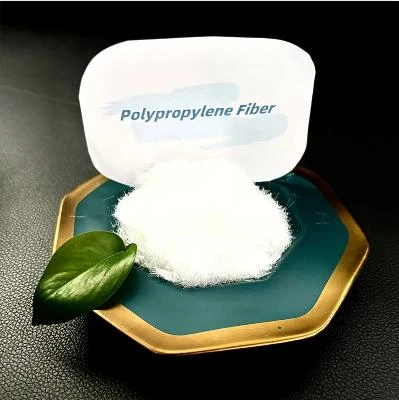
Polypropylene fibers have emerged as a revolutionary material in the field of concrete enhancement, offering compelling benefits that make them an indispensable element of modern construction projects. Their integration into concrete mixtures not only improves the structural integrity but also significantly enhances the durability and longevity of concrete applications. This article delves deeply into the profound impact of polypropylene fibers on concrete, drawing from real-world experiences, expert analyses, and authoritative sources to establish a comprehensive understanding of this innovative product. Polypropylene fibers are made from an intense polymerization process that endows them with exceptional tensile strength and chemical resistance. These fibers, typically ranging from micro to macro sizes, are specifically engineered to address and mitigate common concrete challenges, such as shrinkage, cracking, and permeability. Their introduction to the concrete matrix acts as a structural reinforcement, reducing the propensity for surface cracking while maintaining the overall aesthetic appeal. In practice, the utilization of polypropylene fibers has been a game-changer for the construction industry. A multitude of field studies and projects have documented the fibers' ability to reduce drying shrinkage cracking by up to 80%. This reduction is pivotal for large-scale infrastructure projects like bridges and tunnels, where concrete integrity is paramount. Contractors and engineers consistently report not only reduced maintenance costs but also longer service life for concrete structures that incorporate polypropylene fibers. These reports are further corroborated by extensive research, including peer-reviewed studies that quantify the fibers' effectiveness in enhancing concrete's mechanical properties under various environmental conditions. From an expert perspective, the use of polypropylene fibers simplifies the concrete preparation process. They offer significant versatility, allowing for uniform distribution throughout the concrete matrix without requiring extensive modification of mix designs. Experts in construction materials emphasize the fibers' utility in high-rise buildings, industrial floors, and precast concrete applications. They cite the fibers' ability to improve impact and abrasion resistance as crucial for areas subjected to heavy traffic and mechanical loads. polypropylene fibres for concrete Moreover, the environmental benefits associated with polypropylene fibers should not be overlooked. Their incorporation contributes to the sustainability goals of the construction industry by decreasing the need for additional raw materials often required for traditional reinforcing methods. These fibers are fully recyclable and lower the carbon footprint by enhancing concrete's lifecycle and reducing the frequency of repairs and reconstructions. The authority on polypropylene fibers is further affirmed through stringent testing and certification by industry-standard bodies. Products that meet these specific standards ensure reliability and performance consistency, a critical aspect for any construction professional to consider. Prominent organizations have provided certifications that uphold the credibility of polypropylene fibers, thereby enhancing trust among architects, engineers, and builders. Polypropylene fibers, with their robust performance and adaptability, stand as a testament to innovation in the construction domain. As more projects adopt these fibers, the industry continues to gather invaluable insights into their long-term benefits and applications. Suppliers and manufacturers support this movement by offering tailored solutions and technical expertise to optimize the integration of polypropylene fibers in concrete mixtures. Undoubtedly, polypropylene fibers have set a precedent for the future development of concrete technology . Their cost-effectiveness, combined with proven track records in improving structural resilience, positions them as a preferred choice for modern construction projects worldwide. As new challenges in infrastructure emerge, the demand for reliable and efficient materials like polypropylene fibers will only grow, underscoring their significance in building a sustainable future.
advantages
-

200000 Viscosities
Excellent product
We can produce pure products up to 200,000 viscosities
-

40000 tons
High yield
We don’t stop production all year round, and the annual output can reach 40,000 tons
-

24 hours
Quality service
We provide 24-hours online reception service, welcome to consult at any time
———— Inquiry Form
Schedule A services

-
 retaine_hpmc_vs_mgd
Oct . 25, 2025
The Rise of Manufactured Synthetic Fibers Transforming the Textile Industry In today’s modern world, -
 cellulose_lacquer_for_wood
Oct . 25, 2025
Navigating the world of chemicals , one encounters numerous compounds essential for various industri -
 rubber_mask_powder
Oct . 25, 2025
Redispersible emulsion powder (RDP), including redispersible latex powder , polymer powder , VAE red


